

Cloud Architecture Series – Identity, Platforms, Autonomy
Cloud conversations usually start with tools.
But real cloud architecture isn’t about services, vendors, or feature lists. It’s about control — who can act, how systems are shaped, and where trust actually lives when complexity increases.
This page collects a series of essays I’m writing in 2026 exploring foundational cloud decisions that teams revisit again and again but rarely resolve.
These aren’t frameworks. They’re thinking in public.
What this series is about
Across identity, platforms, autonomy, and control, one question keeps surfacing:
Where does authority live — and can we still explain it when systems move at machine speed?

Expert Mode, No Guardrails — But With Control
Published: January 6, 2026
A foundational essay on how cloud environments drift into “expert mode” — fast, flexible, and complex — and why control doesn’t disappear, it simply moves to places we don’t always see.

Identity First: The Only Control Plane That Survives Every Cloud Decision
Published: January 13, 2026
Explores why identity — user, device, and code — is the only control plane that remains consistent across platforms, services, and clouds when everything else changes.
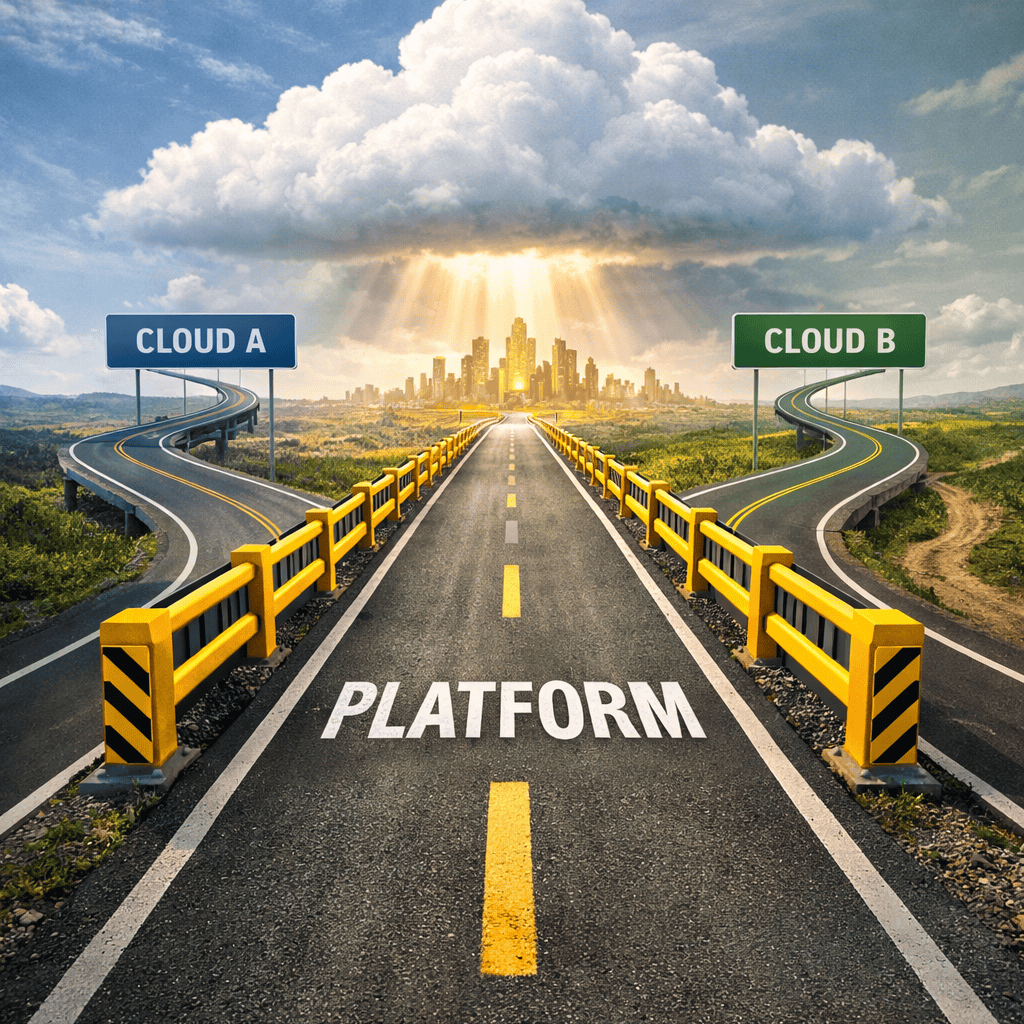
Platform First: Paved Roads, Freedom, and the Cost of Both
Published: January 20, 2026
Examines how platforms shape how work actually happens, why paved roads reduce risk, and how guardrails can create either alignment or friction depending on how they evolve.

Agentic AI Isn’t Breaking Systems — It’s Exposing What We’ve Been Ignoring
Published: January 27, 2026
Looks at how autonomous AI systems act as a stress test for identity models, trust assumptions, and platform guardrails — revealing architectural gaps that were already there.

Single-Cloud First: Discipline, Not Dogma
Published: February 2, 2026
Makes the case that single-cloud first is about operational discipline, not vendor loyalty — and why most second-cloud decisions are driven by timing pressures rather than true technical necessity.

Single-Cloud First Was the Discipline — Now Let’s Talk About Movement
Published: February 9, 2026
This post moves the cloud conversation from philosophy to execution. It focuses on how to decide what workloads move, what stays, and how to avoid hybrid sprawl by using business impact and service classification as the guide. The core idea: cloud strategy isn’t platform strategy — it’s workload strategy driven by intentional sequencing.

Cloud Cost Is an Architecture Decision, Not a Finance Afterthought
Published: February 17, 2026
This article explores why cloud cost isn’t a finance afterthought — it’s the direct result of architecture, workload classification, and operating model decisions. It examines how FinOps must evolve from spreadsheets and reactive reporting into a design discipline embedded in assessment, migration, and production release processes. The core message is simple: cloud spend reflects engineering choices, and cost accountability must be integrated into architecture long before invoices arrive.
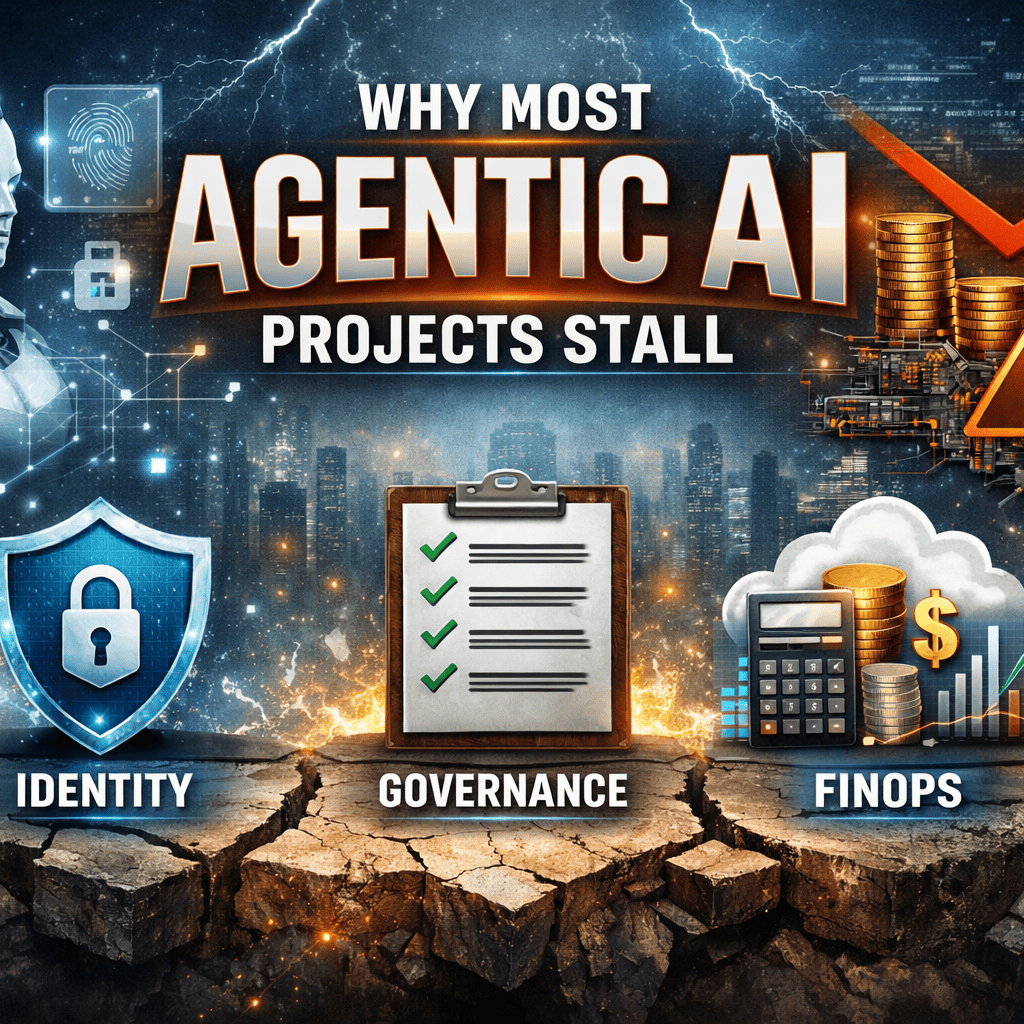
Why Most Agentic AI Projects Stall — And What We’re Still Missing
Published: February 23, 2026
This Cloud series explores the discipline behind modern cloud strategy — from single-cloud first thinking to workload movement, FinOps integration, identity-first architecture, and now agentic AI guardrails. Each article builds on the last, focusing on operating model maturity, governance from day one, and designing for scale before complexity compounds. Because cloud success isn’t about platforms — it’s about intentional decisions.
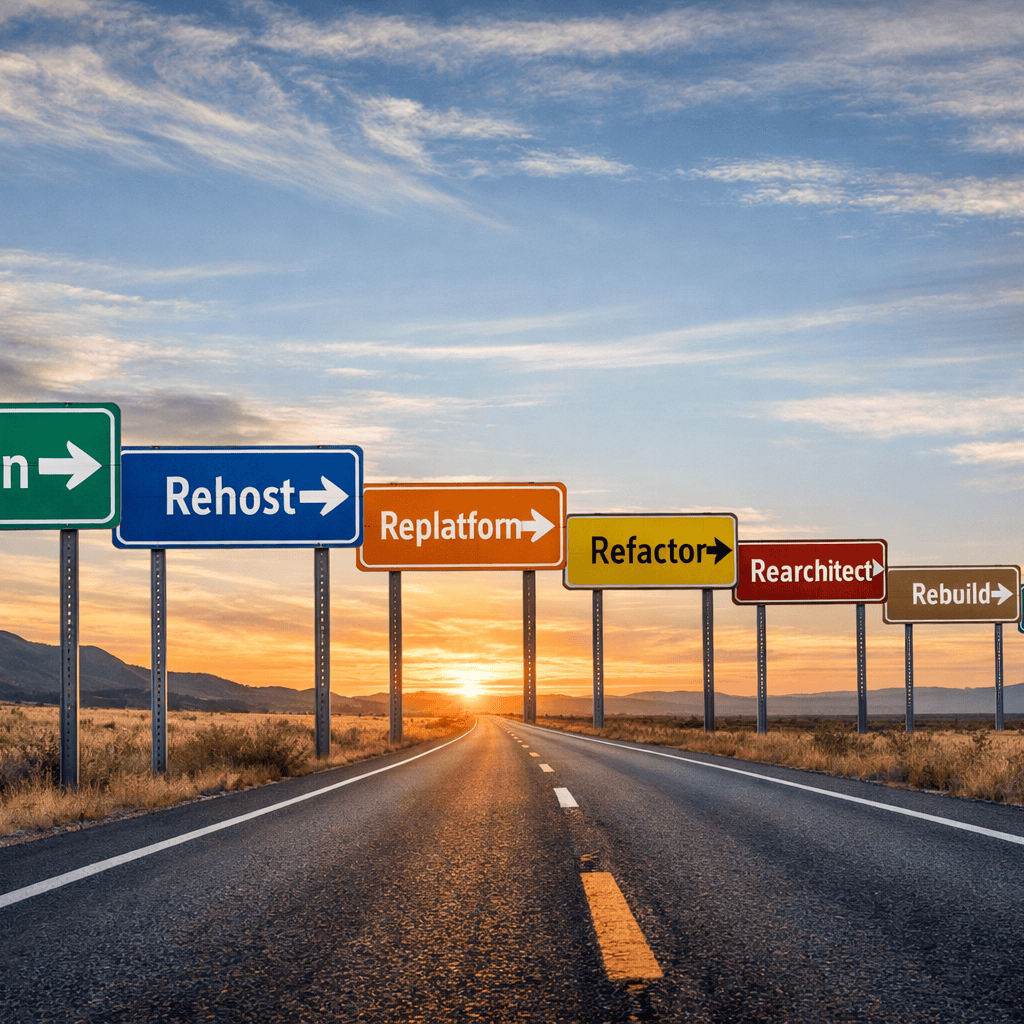
The 7 Rs: More Than a Framework — It’s a Rhythm
Published: February 26, 2026
In The 7 Rs: More Than a Framework — It’s a Rhythm, Michael Earls reframes the 7 Rs of cloud modernization as more than a migration checklist. While strategies like rehost, replatform, refactor, and rebuild guide application decisions, real transformation comes from applying them with discipline and intent. The 7 Rs aren’t just technical options — they create a modernization rhythm that aligns cloud movement with business value.

Lift and Shift Isn’t Transformation
Published: March 29, 2026
Lift and shift isn’t transformation—it’s relocation. The cloud doesn’t fix broken systems; it reveals them. Real progress comes from redesigning how things are built, not just moving where they run.

AI Agents Are the New Cloud Spend Problem
Published: April 8, 2026
This article highlights a growing but often overlooked challenge: AI agents are becoming the next major driver of uncontrolled cloud spend. As organizations rapidly deploy agents, they behave differently than traditional workloads, running continuously, looping through tasks, calling APIs, and generating outputs without natural stopping points. The result is a new kind of cost model where every action, decision, and iteration carries a financial impact, often without clear ownership or guardrails. The piece argues this mirrors early cloud adoption, where excitement outpaced governance, leading to waste and inefficiency. Ultimately, it makes the case that this isn’t just a cost issue, it’s a control and operating model problem, requiring clear limits, accountability, and intentional design to prevent AI from turning into continuous, unmanaged consumption.
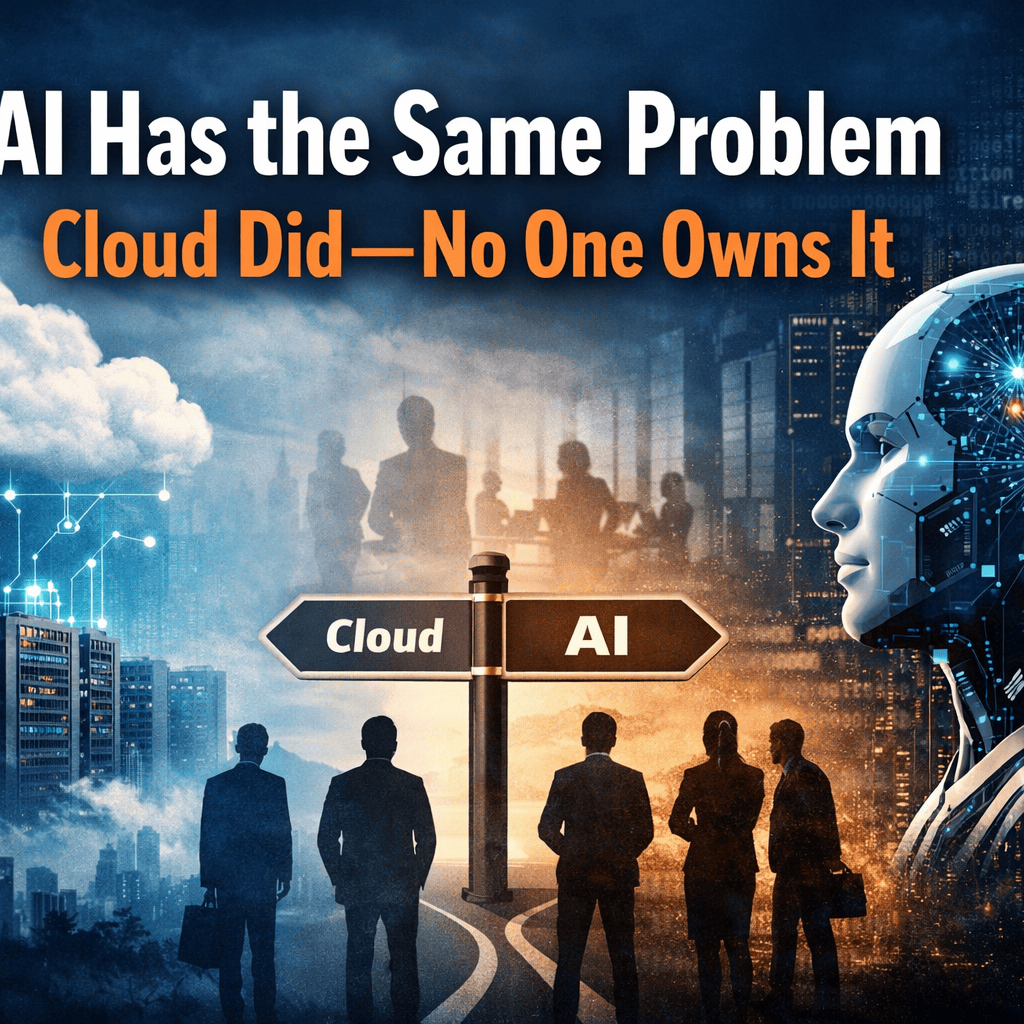
AI Has the Same Problem Cloud Did — No One Owns It
Published: April 9, 2026
This article argues that AI isn’t failing because of the technology, it’s failing because no one truly owns it. As AI spreads across organizations, responsibility is fragmented across teams like IT, data, and business units, which leads to unclear decision-making, lack of accountability, and stalled progress. The post draws a direct parallel to early cloud adoption, where rapid deployment without ownership resulted in misalignment and limited transformation. Ultimately, it makes the case that successful AI adoption requires clear ownership, defined operating models, and leadership accountability, because without them, AI remains a tool everyone uses, but no one is responsible for.

The Hidden Cost of AI: Why Data Centers Are Drinking the Future
Published: April 15, 2026
This article explores the hidden infrastructure cost behind AI’s rapid growth, water. While cloud has long been treated as infinite, data centers rely heavily on water-based cooling to manage the intense heat generated by modern workloads, especially AI. As usage scales, so does water consumption, reaching millions of gallons per day and creating a new, real-world constraint. The piece argues this isn’t just a sustainability issue but an operating model challenge, where continuous AI workloads and unchecked deployment drive exponential resource demand. The takeaway is clear: the next bottleneck in cloud and AI won’t be compute, it will be how we manage finite resources like water.
.